Installing lights in a bathroom can feel risky. You worry about moisture and safety. Choosing the wrong light can lead to failures or hazards, a mistake nobody wants to make.
Yes, bathroom downlights must have an appropriate Ingress Protection (IP) rating. This rating is essential as it confirms the light fixture is sealed against moisture, steam, and water splashes, ensuring both safety and long-term durability in the damp environment of a bathroom.
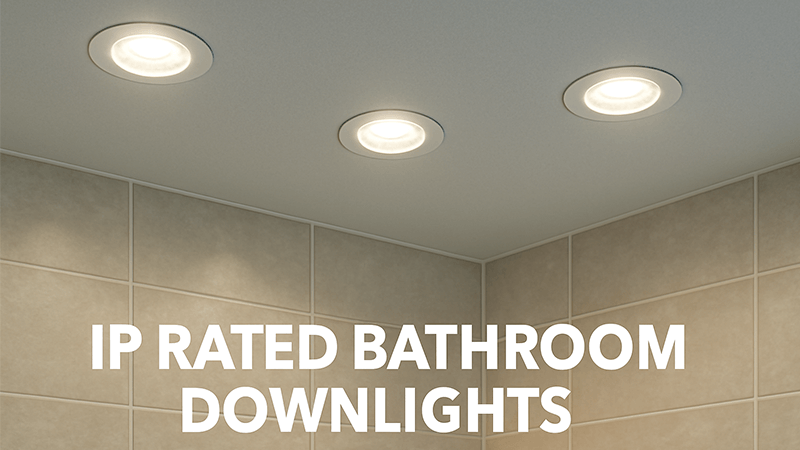
I get this question a lot from purchasing managers like you. The simple answer is yes, but the real value is in the details. As a professional, you need to know not just that they need a rating, but which rating they need and where. Understanding the specific requirements for different areas within the bathroom is the key to sourcing products that are safe, compliant, and cost-effective. Let's break down exactly what you need to know to make your next project a success.
Can you use IP65 downlights in a bathroom?
You've sourced some great IP65 downlights1. Now you wonder if they are the right fit for the whole bathroom, or maybe even too much for certain spots.
Absolutely. IP65 downlights are an excellent choice for bathrooms. They are required in areas directly exposed to water, like inside a shower. Using them throughout the bathroom can also simplify purchasing and guarantee a high level of protection everywhere.
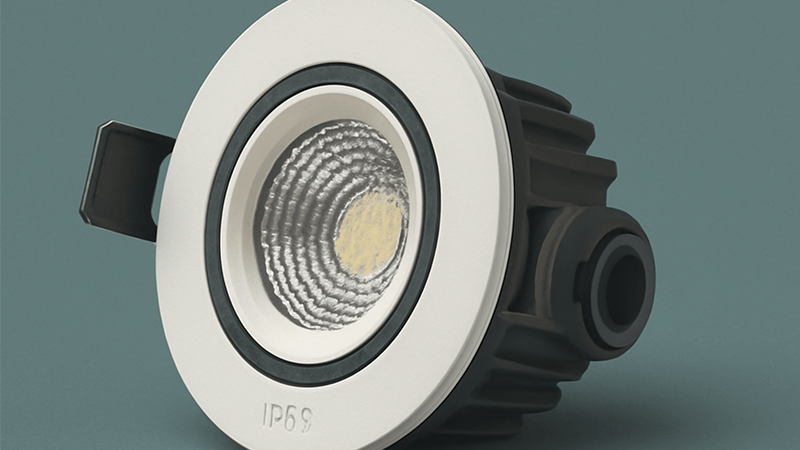
When we talk about IP ratings, we are talking about Ingress Protection. It’s a two-digit code. The first digit tells you how well it’s protected against solids, like dust. The second digit tells you about its protection against liquids, like water. An IP65 rating means the light is completely dust-tight (the '6') and protected against jets of water from any direction (the '5'). This makes it a very robust choice.
To help you source the right products, lighting regulations2 divide a bathroom into different "zones." Each zone has a minimum IP rating requirement based on how much water it's likely to be exposed to. I always advise my clients to be familiar with these.
Bathroom Lighting Zones
| Zone | Location in Bathroom | Minimum IP Rating | My Recommendation |
|---|---|---|---|
| Zone 03 | Inside the bathtub or shower basin itself. | IP67 (submersible) | Use specialized IP67 fittings4. |
| Zone 15 | Directly above the bath or shower, up to 2.25m from the floor. | IP44 | IP65 is best. |
| Zone 26 | The area 0.6m outside the bath/shower and above the sink. | IP44 | IP44 is fine, but IP65 is safer. |
| Outside | Any area outside Zones 0, 1, and 2. | No specific IP rating required. | I suggest at least IP20. |
As you can see, IP65 is the perfect solution for Zone 1, where water from a shower head can easily spray onto the lights. It also exceeds the requirements for Zone 2. For a purchasing manager like yourself, specifying IP65 for the entire bathroom can simplify your inventory. You only need to stock one type of downlight, which removes any risk of installers using the wrong light in the wrong zone. It’s a smart way to ensure compliance and safety across the board.
Do I need to waterproof my bathroom ceiling?
You've selected the perfect IP-rated downlights. But what about the ceiling itself? Ignoring the surface you're installing into could lead to hidden moisture damage7 and mold growth over time.
While not always mandatory, waterproofing the ceiling8 around the downlight cutout is a professional best practice I strongly recommend. This simple step prevents moisture and steam from getting past the light's seal and damaging the gypsum board or ceiling structure from within.
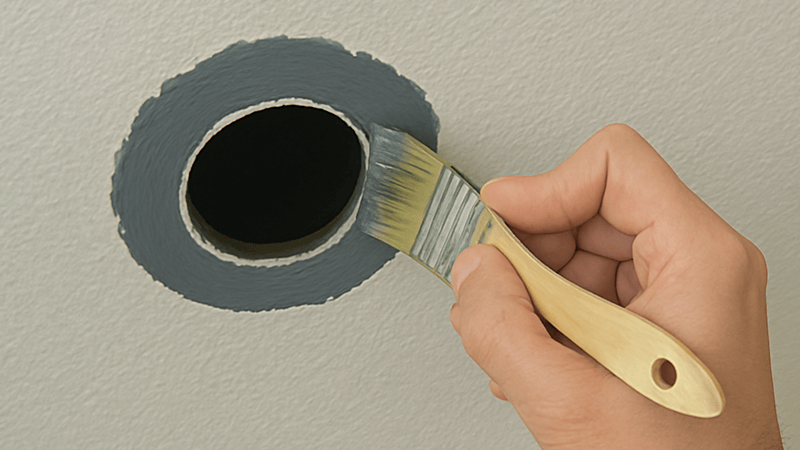
This is a trick I learned years ago in the factory and have shared with countless contractors. An IP-rated downlight creates a great seal on the face of the ceiling. However, the raw, cut edge of the gypsum board inside the cutout is like a sponge. Steam and condensation in the bathroom can slowly seep into this unprotected edge, even with a good light fixture. Over time, this causes the board to swell, crumble, and grow mold, leading to ugly stains and costly repairs. The fix is surprisingly simple.
My Pro-Tip for Installation
I always tell my partners to add one extra step during installation. After you cut the hole for the downlight, take a small brush and apply a layer of waterproof paint9 or a good quality sealant around the raw inside edge of the cutout. Think of it as creating a protective waterproof ring.
Here’s a simple process to follow:
- Cut the Hole: Carefully measure and cut the opening for the downlight in the gypsum board ceiling.
- Seal the Edge: Apply a generous coat of waterproof primer or bathroom-grade paint10 to the entire raw edge inside the hole. Make sure it's fully covered.
- Let it Dry: Allow the sealant to dry completely according to the manufacturer's instructions. This is a crucial step.
- Install the Light: Once dry, you can proceed with installing your IP-rated downlight. The fixture’s gasket will now press against a waterproofed surface, creating a truly moisture-proof barrier11.
This small detail makes a huge difference in the long-term quality and durability of the installation. It protects the client’s property and enhances the reputation of your products and projects.
How do I check the IP rating of a bathroom light?
Your supplier claims their lights have the correct IP rating. How can you be sure? Trusting a datasheet without checking can put your project and reputation at risk if the products are not compliant.
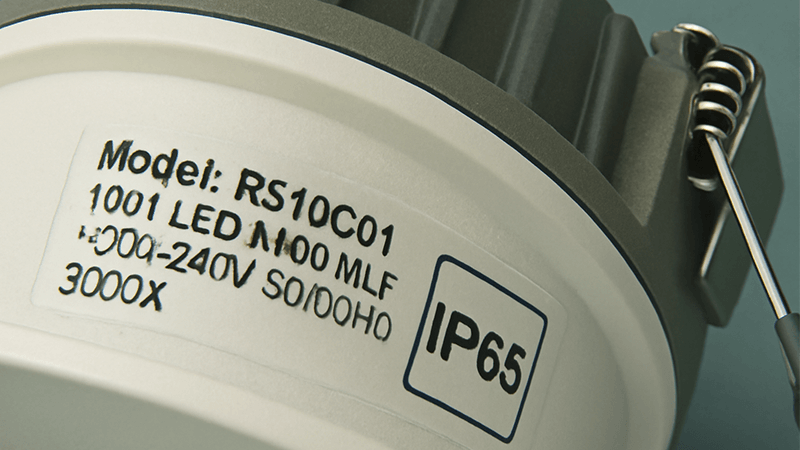
To check the IP rating, look for the "IPXX" mark on the product itself, its packaging, or the technical specification sheet12. The most reliable proof is the marking on the light fixture's body or label, as this directly ties the rating to the physical unit.
Verifying product specifications is a critical part of your role as a purchasing manager. When it comes to IP ratings, you can't afford to just take a salesperson's word for it. There are three primary places you should look for this information to confirm a supplier's claim.
Where to Find the IP Rating
-
On the Product Itself: This is your best source of truth. Reputable manufacturers like us permanently mark the IP rating on the product's data label or driver housing. Look for the letters "IP" followed by two numbers, for example,
IP65. If it's not on the product, be cautious. -
On the Packaging: The product's box should clearly state the IP rating. This is a good first check when you receive a shipment. It shows that the manufacturer is openly advertising this feature. However, you should still cross-reference it with the marking on the actual product inside.
-
In the Technical Datasheet: Every professional lighting product comes with a technical specification sheet. This document details all performance data, including dimensions, wattage, lumen output, and the IP rating. This is essential for your records, but again, the physical marking on the unit is the final confirmation.
I remember working with a client who was offered "waterproof" downlights at a very low price from an unknown supplier. When the samples arrived, there was no IP rating marked on the product or the plain white box. The datasheet looked professional, but the product itself felt flimsy. We advised him against it. A few months later, he told me another company had used those lights and was dealing with widespread failures. This is why verification is so important. It protects you, your company, and your clients from poor quality and unsafe products.
What IP do I need for a bathroom light?
You need to source lights for a bathroom project. With different zones and ratings, it can be confusing to know exactly what IP rating to specify to ensure both safety and compliance.
For Zone 1 (in a shower), you need at least IP65. For Zone 2 (around the shower/sink), IP44 is the minimum requirement. For all other areas, a standard IP20 light13 is acceptable, though using a higher rating offers extra protection.
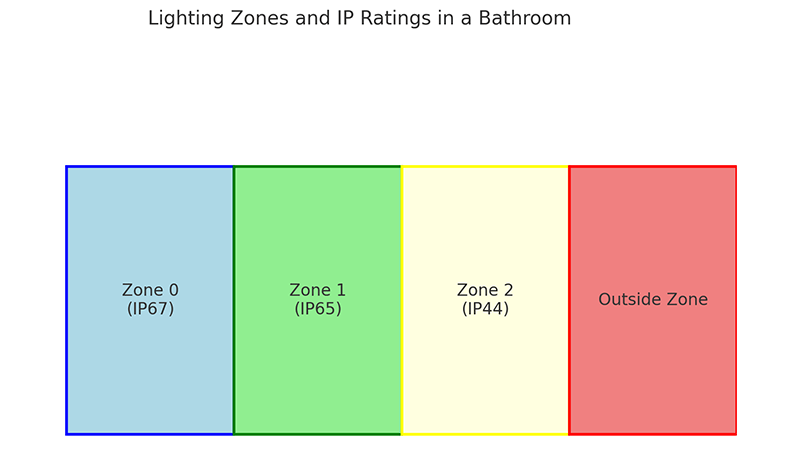
Choosing the correct IP rating is not about just picking the highest number; it's about matching the level of protection to the level of risk in each specific area of the bathroom. Getting this right is the mark of a true professional. It ensures safety without over-specifying and needlessly increasing project costs. Think of the bathroom as having different levels of "splash risk."
A Simple Guide to Bathroom IP Ratings
To make it easy, let's break it down into a clear sourcing strategy14.
-
Inside the Shower/Bath (Zone 0 & 1): Choose IP65 or higher. This area gets direct water contact from showerheads. An IP65 rating ensures the downlight is protected against these water jets. For any light that might be submerged, like in the floor of a wetroom, you must use IP67. As a rule, I always tell my partners to specify IP65 for any light fixture within the shower enclosure or directly above a bathtub.
-
Near the Shower/Bath/Sink (Zone 2): Choose IP44 or higher. This is the "splash zone15." It includes the area just outside the shower or a perimeter around the sink. Water can easily splash here. IP44 protects against splashes from any direction, so it is the minimum you should consider. However, since IP65 lights are so common now, using them here adds an extra layer of safety for very little, if any, extra cost.
-
Everywhere Else (Outside Zones): Choose IP20 or higher. This covers most of the ceiling area in a larger bathroom. While there is no strict requirement for an IP rating here, bathrooms are naturally humid and steamy environments. A standard IP20 downlight offers no protection against moisture. I strongly recommend using at least an IP44-rated downlight everywhere to prevent long-term issues from condensation. It’s a small investment for long-term peace of mind.
For you, Shaz, the simplest and safest strategy is often to specify IP65 downlights for the entire bathroom. This eliminates any chance of error during installation and gives your client a uniformly safe and durable lighting solution.
Conclusion
In short, bathroom downlights must be IP rated for safety. Use IP65 in wet zones like showers and at least IP44 nearby to protect against splashes and ensure a durable installation.
IP65 downlights provide excellent moisture protection, making them ideal for bathroom environments. ↩
Understanding lighting regulations is crucial for compliance and safety in bathroom projects. ↩
Zone 0 refers to areas with direct water exposure, requiring specific lighting solutions for safety. ↩
IP67 fittings are essential for areas with potential submersion, ensuring maximum safety. ↩
Zone 1 has specific IP rating needs to ensure safety above bathtubs and showers. ↩
Understanding Zone 2 requirements helps in selecting appropriate lighting to prevent water damage. ↩
Preventing moisture damage is key to maintaining the integrity and safety of bathroom lighting. ↩
Waterproofing prevents moisture damage, enhancing the longevity of your bathroom lighting installation. ↩
Using the right waterproof paint can protect against moisture and mold growth in bathrooms. ↩
Bathroom-grade paint is designed to resist moisture, making it essential for long-lasting installations. ↩
Creating a moisture-proof barrier is essential for preventing damage and ensuring safety. ↩
Technical sheets provide essential details about product performance, including IP ratings. ↩
IP20 lights are suitable for dry areas, but may not be ideal for humid bathroom environments. ↩
A clear sourcing strategy helps in selecting the right products for safety and compliance. ↩
Understanding splash zones helps in selecting lights that can withstand moisture exposure. ↩