Choosing bathroom lighting feels complicated. You worry about safety with water and electricity, and you want it to look good. This guide makes it simple to choose correctly.
The best downlights for a bathroom have a high IP rating to protect against water and moisture. Use IP65-rated downlights in or near showers and baths. For general ceiling areas, an IP44 rating is usually sufficient. Always check local electrical regulations for specific requirements.
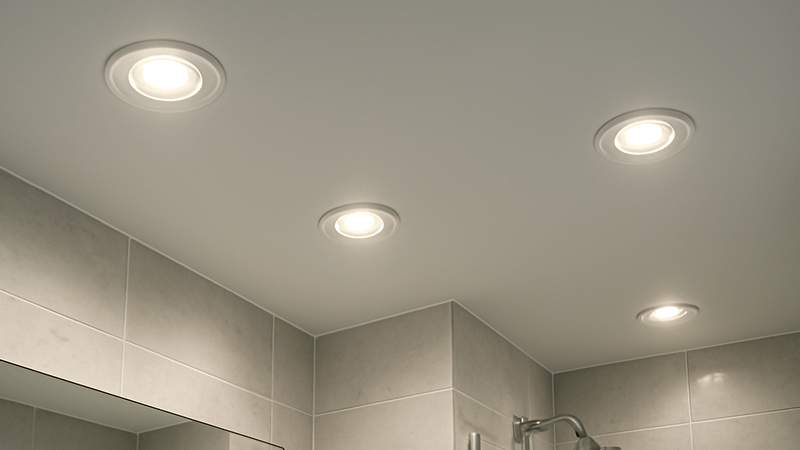
Getting your bathroom lighting right is about more than just picking a fixture that looks nice. You need to think about safety, the kind of light you want, and the rules you have to follow. It sounds like a lot, but I’ve been in the LED lighting business for years, helping clients like Shaz from the UAE find the perfect solutions. I know how to break it down into simple steps. Let’s go through the key things you need to know to make sure your bathroom is both beautiful and safe.
What IP is best for a bathroom?
IP ratings for lighting can be confusing. If you pick the wrong one for a bathroom, you risk fixture failure or even a serious safety hazard from moisture.
An IP65 rating is best for areas with direct water exposure, like inside a shower. For areas near sinks or baths that get splashed, IP44 is the minimum requirement. These ratings ensure your lights are protected from water and are safe to use in a wet environment.
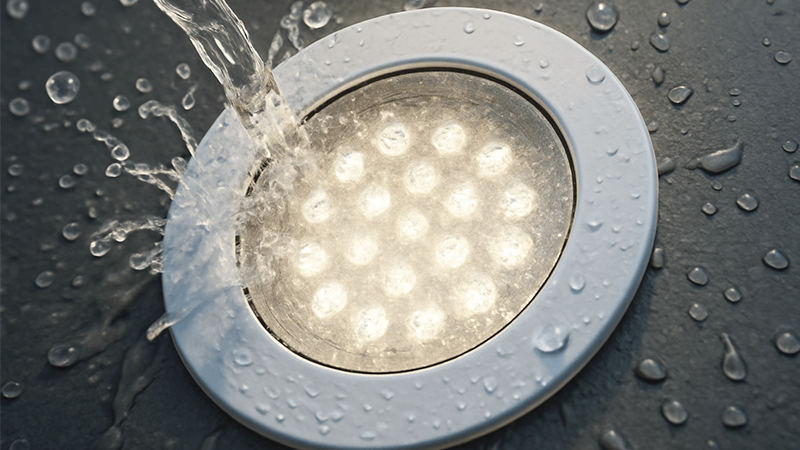
In my years of manufacturing LED lights, the most common issue I see with bathroom installations is using the wrong IP rating1. IP stands for Ingress Protection. It's a two-digit number that tells you how well a fixture is protected against solids and liquids. The first digit is for solid objects, and the second is for water. For a bathroom, the second digit is the most important one.
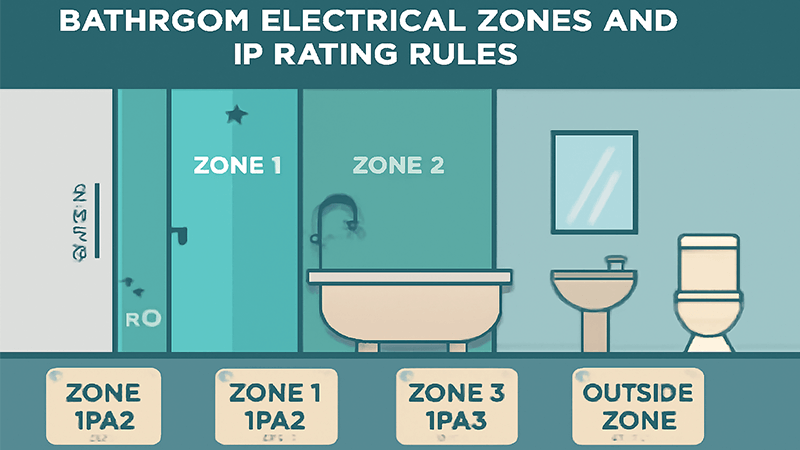
To understand which IP rating you need, you first have to understand bathroom zones2. Electrical regulations divide a bathroom into zones based on how close the light fixture is to a water source.
Bathroom Electrical Zones Explained
| Zone | Location | Minimum IP Rating | Description |
|---|---|---|---|
| Zone 03 | Inside the bath or shower tray itself. | IP67 | The area is fully submerged in water. Any lighting must be low voltage (max 12V) and totally immersion-proof. |
| Zone 14 | Directly above the bath or shower, up to a height of 2.25m from the floor. | IP65 | The area is subject to water jets from a showerhead. The light must be protected against these direct sprays. |
| Zone 25 | An area stretching 0.6m outside the bath or shower and up to a height of 2.25m. Also includes the area around a sink. | IP44 | The area is likely to get splashed but not directly sprayed with jets of water. |
| Outside Zones | Anywhere outside zones 0, 1, and 2 where water jets are unlikely. | No specific IP rating | Standard IP20 lights can be used, but I often recommend IP44 for durability against general moisture and steam. |
I once worked with a contractor on a hotel project. He tried to save money by installing standard IP20 downlights throughout the bathrooms, including over the showers. Within a few months, his client called him complaining that half the lights were flickering or had failed completely. The steam and moisture had gotten inside and corroded the electronics. We replaced them all with our IP65 downlights. It's a classic example of why choosing the right IP rating from the start saves you time, money, and protects your reputation. For any area that might get wet, don't take the risk.
Is 3000K or 4000K better for bathrooms?
Picking the right light color is tough. You don't want your bathroom to feel like a cold hospital room, but you also need bright light for certain tasks.
Neither is better; they serve different purposes. 3000K creates a warm, relaxing atmosphere perfect for a spa-like feel in a main bathroom. 4000K provides a neutral, bright light that is excellent for task areas like a vanity mirror where you need clarity for grooming.
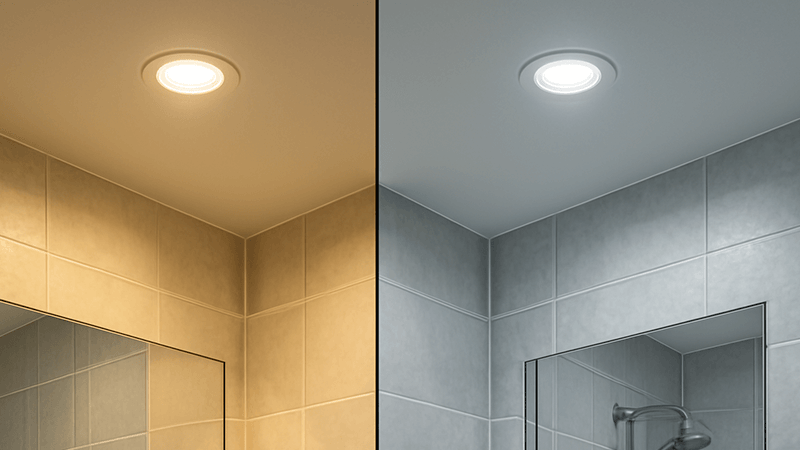
Color temperature is measured in Kelvin (K). A lower number means the light is warmer, or more yellow, like a traditional light bulb. A higher number means the light is cooler, or more white and blue. When I talk to clients about their lighting needs, this is a key part of the conversation. The "feel" of a room is completely changed by the color of the light.
For a bathroom, you often have competing needs. You want a place to relax in the tub, but you also need to see clearly when shaving or applying makeup. This is why a single color temperature might not be the best solution. Many of my clients, especially in the hospitality industry, use a strategy called "layered lighting6."
Comparing 3000K and 4000K
| Feature | 3000K (Warm White) | 4000K (Cool White) |
|---|---|---|
| Atmosphere | Cozy, relaxing, inviting, spa-like. | Bright, clean, energizing, daylight-like. |
| Best For | General ambient lighting, relaxation areas. | Task lighting over vanities, showers for clear visibility. |
| Psychological Effect | Promotes relaxation and comfort. | Increases focus and alertness. |
| Use Case | Soaking in the tub, unwinding after a long day. | Applying makeup, shaving, cleaning the bathroom. |
The best approach is often to use both. You can install 3000K downlights for general ambient light across the main ceiling area. Then, place 4000K downlights or a dedicated vanity light directly above the mirror. This gives you the best of both worlds. Another great option is to use dimmable downlights7. This allows you to have bright light when you need it and a soft, warm glow when you want to relax. Paired with a CCT (Correlated Color Temperature) switchable downlight, you can change between 3000K, 4000K, and even 5000K with the flick of a switch, giving you complete control over your bathroom's atmosphere.
What are the rules for bathroom lights?
Electrical rules for bathrooms seem intimidating. You hear about zones and special requirements, and you worry about making a dangerous mistake or failing an inspection.
The main rules for bathroom lights are based on electrical zones. Fixtures must have the correct IP rating for their zone (e.g., IP65 in Zone 1). Also, circuits supplying bathrooms should be protected by a 30mA Residual Current Device (RCD8) for safety against electric shock.
Safety is the number one priority in my factory, and it should be the number one priority in your bathroom. Water and electricity are a dangerous combination, so regulations are very strict, and for good reason. As a manufacturer, I ensure all our bathroom-rated products meet these international standards. As an installer or buyer, you need to make sure you use them correctly.
The rules are built around the bathroom zones we already discussed. But it’s not just about the IP rating. It's also about the electrical circuit itself. Almost all modern electrical codes9 require that any circuit powering a bathroom be protected by a Residual Current Device (RCD), or a Ground Fault Circuit Interrupter (GFCI) in North America. This is a life-saving device that detects small imbalances in the electrical current and shuts off the power almost instantly, preventing a serious electric shock.
Key Rules to Follow:
-
Use an RCD/GFCI: Ensure the entire bathroom electrical circuit is protected by a 30mA RCD. This is non-negotiable for safety. A qualified electrician will know this is a mandatory requirement.
-
Respect the Zones: Always install fixtures with the correct IP rating for the zone they are in. Never install an IP20 downlight above a shower, even if you think it won't get wet. Steam alone can cause it to fail.
-
Low Voltage in Wettest Areas: For any light inside a bath or shower (Zone 0), it must be low voltage (12V) and have an IP rating of at least IP67. The transformer must be located outside of all zones.
-
Check Local Codes: These rules are general guidelines based on common international standards (like the IET Wiring Regulations in the UK). Always consult with a qualified electrician and check your specific local building codes. Some regions may have additional or slightly different requirements. I always advise my project clients, like Shaz, to double-check with their local authorities before finalizing a large order.
How to make a bathroom ceiling waterproof?
You’re worried about steam and moisture damaging your ceiling over time. You want to install downlights but are concerned they will create weak spots for water to get through.
To help waterproof a ceiling, use moisture-resistant plasterboard10 and bathroom-specific paint11. When installing downlights, choose fire-rated, IP65-rated fixtures. These create a seal against the ceiling, preventing the passage of moisture and maintaining the fire barrier of the ceiling.
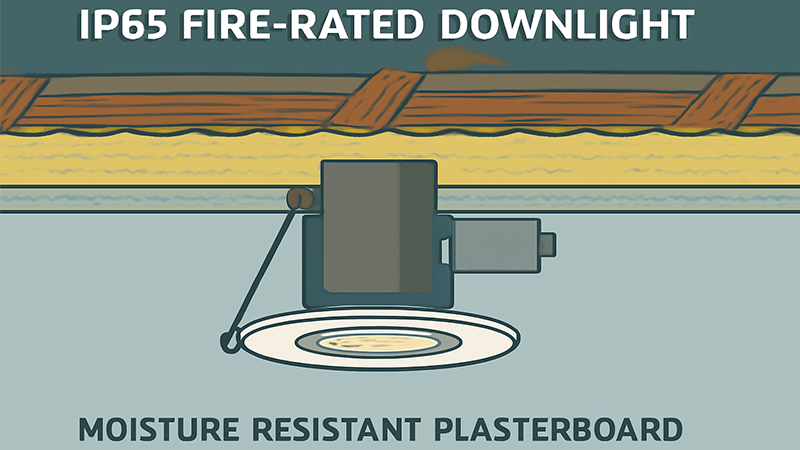
Making a bathroom ceiling truly waterproof is a multi-step process that involves more than just the lights. However, the downlights you choose play a very important role. A standard ceiling has dozens of holes cut into it for lighting, creating potential entry points for moisture into the ceiling void. This moisture can lead to mold, rot, and structural damage over time.
As a manufacturer, we've engineered solutions to this exact problem. The key is to select a downlight that not only resists water from the outside but also seals the hole it's placed in. This is where fire-rated IP65 downlights come in.
Steps for a More Waterproof Ceiling:
-
Start with the Right Materials: Use moisture-resistant plasterboard (often called "green board") for your ceiling. It’s designed to handle high-humidity environments much better than standard plasterboard. Follow this with a high-quality bathroom paint that contains anti-mold and mildew-inhibiting properties.
-
Choose the Right Downlight: This is critical. An IP65-rated downlight is designed to be waterproof from the front, protecting it from steam and splashes. Many of these fixtures also come with a rubber or silicone gasket. This gasket sits between the bezel of the downlight and the ceiling, creating a tight seal. This seal prevents steam and moist air from rising up through the cutout and into the ceiling void.
-
Consider Fire-Rated Downlights: I always recommend fire-rated downlights12 for ceilings, especially in multi-story buildings. These fixtures are designed to seal the hole in the event of a fire, restoring the ceiling's fire barrier for 30, 60, or 90 minutes. A benefit of this design is that the intumescent material used for fire protection also helps to create a better seal against air and moisture movement.
Before you buy any downlights, here is my final piece of insight: always check the installation depth of the downlight and compare it to the thickness of your ceiling void. You must ensure there is enough space above the plasterboard to house the fixture and allow for proper heat dissipation. Many modern LED downlights are quite compact, but it's a critical measurement to confirm before purchasing.
Conclusion
Choosing bathroom downlights is simple when you focus on IP ratings for safety, color temperature for mood, and proper installation to protect your ceiling. Get these right for a perfect result.
Understanding IP ratings is crucial for ensuring safety and compliance in bathroom lighting installations. ↩
Understanding bathroom zones helps in selecting the right fixtures for safety. ↩
Discover the specifics of Zone 0 and the requirements for lighting in this area. ↩
Learn about the safety standards for lighting directly above baths and showers. ↩
Understand the requirements for lighting in areas near sinks and baths. ↩
Learn how layered lighting can enhance functionality and ambiance in bathrooms. ↩
Discover how dimmable downlights can enhance the versatility of bathroom lighting. ↩
Explore the importance of RCDs in preventing electric shock in bathrooms. ↩
Understand the electrical codes to ensure compliance and safety in your bathroom. ↩
Explore how moisture-resistant plasterboard can protect your bathroom ceiling. ↩
Learn about the benefits of using bathroom-specific paint to prevent mold. ↩
Understand the significance of fire-rated downlights for safety in bathroom ceilings. ↩