Struggling with bulky, outdated lighting? You want a clean, modern look but do not know where to start. Recessed lighting offers a sleek, integrated solution for any space.
A recessed downlight is a light fixture installed directly into a hollow opening in a ceiling. It shines light in a downward direction. The main advantage is its flush, minimalist appearance, as the housing and wiring are all hidden from view, creating a clean ceiling line.

But there is more to a recessed downlight1 than just a hole in the ceiling. In my years in the lighting business, I have learned that the real story is in the details, the technology, and the impact it has on a space. The best buyers, like my friend Shaz in the UAE, know this. They look beyond the surface. Let us look closer at what sets these lights apart and why those details matter for your projects.
What is the difference between recessed and flat downlights?
Choosing between recessed and flat downlights feels confusing. Both light a room, but their impact on your ceiling and space is completely different. Which one is right for you?
The main difference is installation. A recessed downlight sits flush inside the ceiling, requiring a cutout for its housing. A flat downlight, or surface-mounted downlight, attaches directly to the surface of the ceiling. Recessed offers a cleaner look, while flat is easier to install.
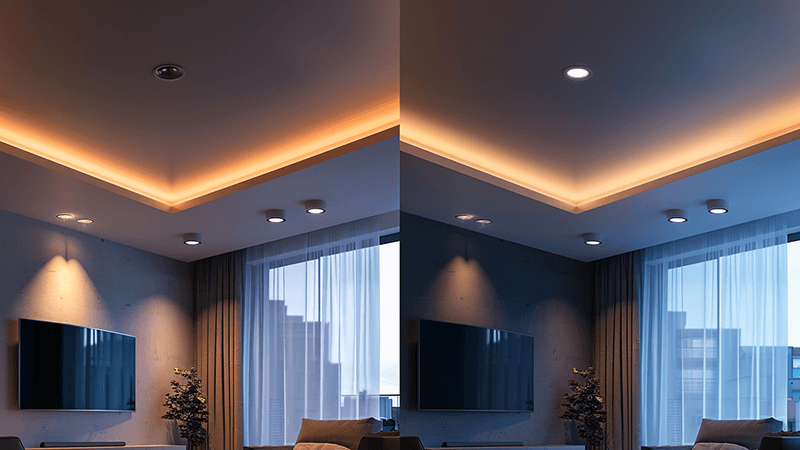
When I first started in a lighting factory, I just saw two different products. Now, I see two completely different approaches to a building. The choice goes much deeper than aesthetics. You are making a decision about the integrity of your building's envelope. A recessed downlight requires you to cut a hole in the ceiling. This sounds simple. But this hole can cause problems. It can compromise the ceiling’s fire rating2 and disrupt the insulation barrier. This creates drafts and reduces energy efficiency3. In many places, you need special fire-rated covers or IC-rated (Insulation Contact) fixtures to solve this. This adds cost and complexity, something a purchasing manager like Shaz always has to account for. A flat, or surface-mounted, downlight avoids all of this. It attaches to a junction box4 on the ceiling's surface. The installation is faster and does not interfere with the insulation or fire barrier.
Key Installation Differences
But this comes at a cost. The fixture is visible and protrudes from the ceiling. It can look bulky in rooms with low ceilings. This is the fundamental trade-off.
| Feature | Recessed Downlight | Flat (Surface-Mounted) Downlight |
|---|---|---|
| Aesthetics | Clean, minimalist, flush with ceiling | Visible, protrudes from ceiling |
| Installation | Complex, requires hole cutting | Simple, attaches to junction box |
| Ceiling Impact | Compromises insulation & fire barrier | No impact on insulation or fire barrier |
| Best For | New construction, high ceilings | Retrofits, concrete ceilings, low ceilings |
So, you must ask yourself what is more important for the project. Is it the perfectly clean ceiling line, or is it the simplicity and integrity of the building structure? For high-end architectural projects5, the answer is often recessed. For practical retrofits or commercial spaces6 with concrete ceilings, flat panels are usually the better choice.
Are downlights the same as recessed lights?
People use "downlight" and "recessed light" for the same thing. I hear it all the time. This common confusion can lead to specifying the wrong product. Understanding the small difference can save you time.
Not exactly. "Recessed light" describes how the fixture is installed—inside the ceiling. "Downlight" describes the direction of the light—downward. Most recessed lights are downlights, but you can also have surface-mounted downlights or track-mounted downlights. The terms overlap but are not identical.
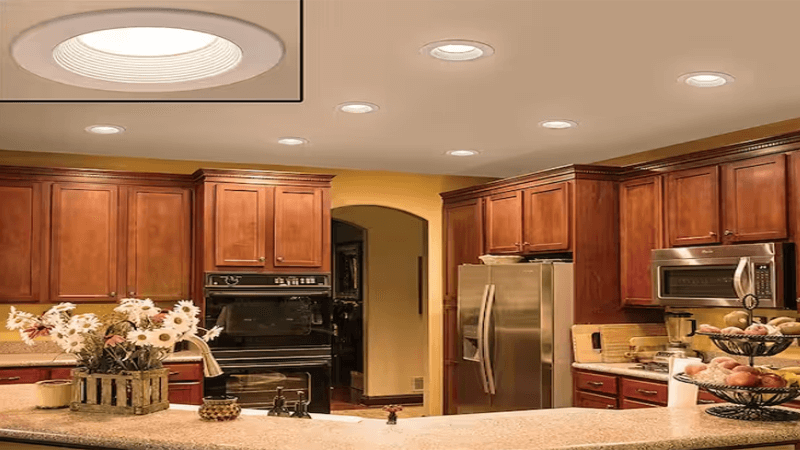
Thinking about this difference helps us focus on what really matters: the quality of the light coming out of the fixture. The way a fixture is mounted is just mechanics. The way it controls light is art and science. Early in my career, most downlights, whether recessed or not, used a simple spun aluminum reflector to direct the light. It was an inefficient system. A lot of light would get trapped in the fixture or spill out as glare. The light beams were often uneven, with noticeable hot spots. Then, technology evolved. The biggest leap forward has been the shift to Total Internal Reflection (TIR) optics7. Instead of just bouncing light off a surface, a TIR lens is a complex piece of molded polymer. It precisely refracts, or bends, the light from the LED chip. This allows us to control the light with incredible precision.
The Evolution of Light Control
This change from simple reflectors to advanced TIR lenses is like going from a simple flashlight to a professional camera lens. For someone sourcing products, understanding this evolution is critical. A fixture with TIR optics will deliver more light where it is needed, reduce glare, and create a much smoother, more beautiful beam of light.
| Optic Type | Spun Reflector | Total Internal Reflection (TIR) Lens |
|---|---|---|
| Method | Bounces light off a mirrored surface | Bends light through a molded lens |
| Efficiency | Lower (light can get trapped) | Higher (over 90% of light is controlled) |
| Beam Control | Poor (often has hot spots, light spill) | Excellent (sharp, clean, uniform beams) |
| Glare Control | Minimal | Superior (light is directed downward) |
When you specify a downlight, do not just ask if it is recessed. Ask what kind of optics it uses. That is the question that separates a basic fixture from a high-performance lighting tool. It is the secret to achieving truly professional results.
Why use recessed downlights?
Are recessed downlights worth the extra installation work? They seem like a simple choice. But their true value goes far beyond just providing light. They can completely transform a space.
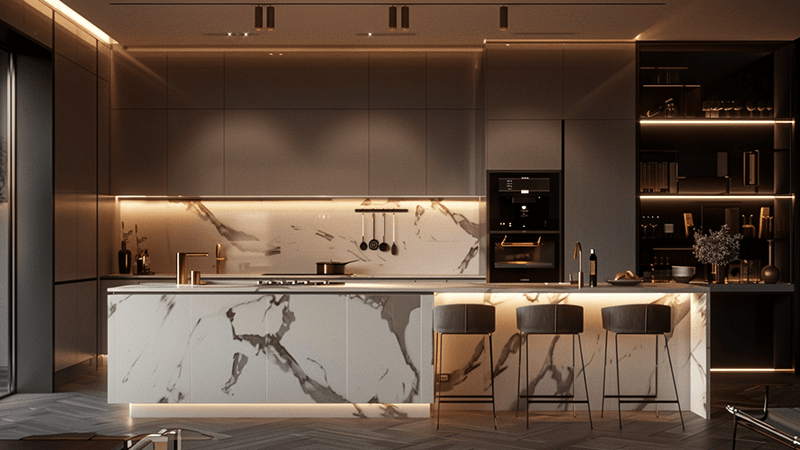
You use recessed downlights for their clean, unobtrusive aesthetic that makes spaces feel larger and more modern. They provide focused, layered lighting that can highlight features, create ambiance, or deliver powerful task lighting without cluttering the ceiling. Their versatility is unmatched.
The aesthetic benefit is obvious. But as someone who builds these lights, I see a more important reason emerging. The industry is finally moving towards modularity8. For years, the first wave of LED downlights9 were integrated units. This meant the LED chip, the driver, and the housing were all one piece. When the light failed, you had to rip the entire fixture out of the ceiling and replace it. It was wasteful and expensive. I saw many clients grow frustrated with this. Today, we have a better way: the modular system. This approach treats the downlight as two separate parts. There is the "chassis," which is the trim and housing that gets installed permanently in the ceiling. Then there is the "engine," which is the LED light module and driver.
The Power of Modularity
This "chassis" and "engine" concept is a game-changer. The light engine can be easily snapped in or out from below the ceiling. This has huge benefits. If a light fails, you just replace the small engine, not the whole fixture. If you want to upgrade your lighting technology10 in five years, you just swap out the engine for a new, more efficient one. If you want to change the beam angle11 or color temperature for a new room layout, you just swap the engine.
| Feature | Integrated LED Downlight | Modular LED Downlight (Chassis + Engine) |
|---|---|---|
| Maintenance | Entire fixture must be replaced | Only the light "engine" is replaced |
| Upgradability | Not possible; requires full replacement | Easy; swap engine for new technology |
| Flexibility | Fixed beam angle and color | Can change beam angle or color by swapping engine |
| Long-Term Cost | Higher due to full replacement costs | Lower due to inexpensive engine swaps |
For a purchasing professional like Shaz, this is a powerful selling point for his clients. He is not just selling a light for today. He is selling a future-proof lighting system. The main reason to use recessed downlights today is to invest in a permanent, flexible infrastructure that will serve the building for decades.
Where is a recessed downlight typically installed?
You have decided on recessed downlights, but where do they go? Placing them wrong can ruin the effect. Proper placement is the key to unlocking their full potential.
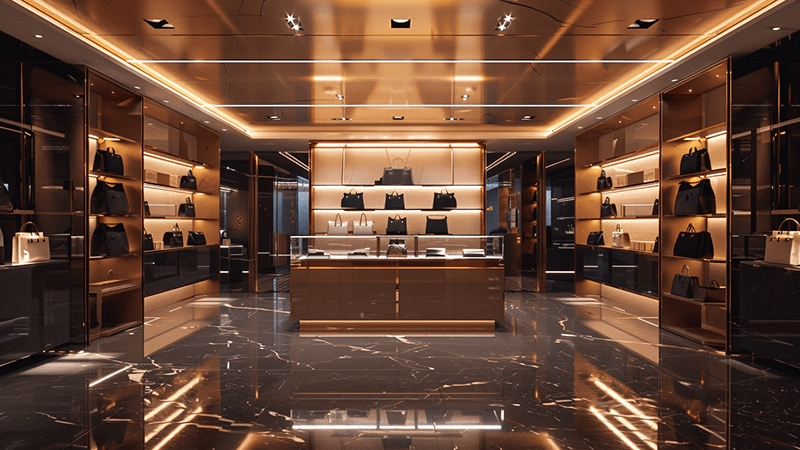
Recessed downlights are very versatile. They are commonly installed in kitchens for task lighting over counters and in living rooms for general ambiance. You also see them in hallways for circulation, offices for workspace light, and retail stores to highlight products.
The list of locations is long. But the more important question is which recessed downlight to use in each location. This is where we go beyond simple specifications and get into the real quality of light. Many people just look at the CRI, or Color Rendering Index. They see "CRI 90" and think it is a high-quality light. But I have learned that this number does not tell the whole story. The secret is in the Spectral Power Distribution (SPD)12. The SPD is a graph that shows the intensity of light at each color of the rainbow. Two different "CRI 90" lights can have very different SPDs. One might have a strong peak in the red part of the spectrum. Another might be weaker in the red but stronger in the blue.
Light Quality Beyond CRI
This matters a lot. Imagine you are lighting a high-end clothing store. You need the reds in the fabrics to look rich and vibrant. You would choose a downlight with a high R9 value13, which is a measure of how well it renders deep red. For an office, you might want a light with a spectrum that supports alertness. For a grocery store's produce section, you need lights that make greens look fresh and reds look ripe. All these applications might use a "CRI 90" light, but the ideal SPD for each is completely different. Thinking about SPD is what separates good lighting from great lighting.
| Application | Key Consideration | Recommended Light Quality Specs |
|---|---|---|
| Residential Kitchen | Task lighting, making food look appealing | CCT 3000K, CRI 90+, High R9 (>50) |
| Office Space | General illumination, focus, and comfort | CCT 4000K, CRI 80-90, Low UGR (<19) |
| High-End Retail | Making products look vibrant and attractive | CCT 3000K, CRI 95+, High R9 (>80) |
| Art Gallery | Accurate color representation, no UV damage | CCT 2700K-3000K, CRI 97+, No UV/IR output |
So, when you decide where to install a recessed downlight, your next thought should be about the specific quality of the light needed for that task. Do not just stop at the CRI number. Ask to see the SPD data. That is how you deliver real value.
Conclusion
In the end, a recessed downlight is more than a fixture. It is a design tool that combines technology, aesthetics, and performance to shape the environment you are in.
Explore the advantages of recessed downlights for modern spaces and how they can enhance your interior design. ↩
Understand the significance of fire ratings in lighting fixtures and how they impact safety. ↩
Find out how recessed downlights can contribute to energy savings in your home or business. ↩
Understand the role of junction boxes in lighting installations and their importance for safety. ↩
Discover the unique lighting needs of high-end architectural projects and how to meet them. ↩
Discover the specific lighting requirements for commercial environments and how to address them. ↩
Learn about TIR optics and how they enhance light control and efficiency in downlights. ↩
Explore the benefits of modular lighting systems and how they offer flexibility and ease of maintenance. ↩
Explore the benefits of using LED downlights for energy efficiency and longevity. ↩
Stay updated on the latest trends and technologies in lighting for better design solutions. ↩
Learn how beam angle influences the effectiveness of lighting in different applications. ↩
Understand the role of SPD in determining light quality and its impact on color perception. ↩
Understand the significance of R9 value in lighting for accurate color representation. ↩