Choosing bathroom lights feels overwhelming. A wrong choice can lead to a dim, unpleasant, and even unsafe space. Let's focus on what truly matters for perfect bathroom lighting.
The best lights for a bathroom ceiling are IP-rated LED downlights or spotlights. They provide safety, energy efficiency, and focused illumination. To achieve the best outcome, combine general, task, and accent lighting for a layered, functional, and welcoming atmosphere.
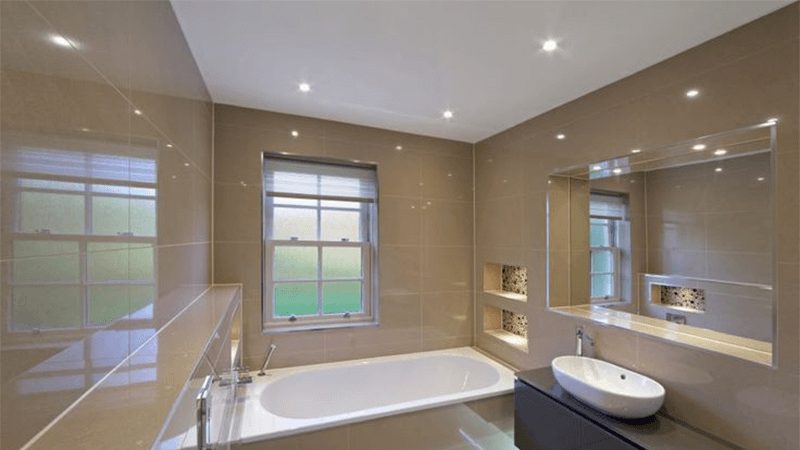
But simply picking "IP-rated LED spotlights" isn't the complete picture. In my years of manufacturing lights, I've seen that the details behind the product sheet are what separate a successful project from a failure. The real answers are found by asking better questions. Let's explore what truly defines a great bathroom light, starting with the most basic question.
Are LED ceiling lights ok for a bathroom?
Worried if LED lights are safe for a damp bathroom? It is a common fear, with safety and product life being major concerns. I'll show you why they are perfect.
Yes, LED ceiling lights are excellent for bathrooms, as long as they have the correct IP rating for their specific location. LEDs are energy-efficient, long-lasting, and offer superior light control, making them the best modern choice for safe and effective bathroom lighting.
Dive Deeper: The Unseen Hero is the Driver
Everyone knows LEDs are efficient. But the real performance of an LED fixture, especially in a bathroom, comes down to something most people overlook: the driver. The driver is the electronic heart that powers the LED. A cheap, poorly made driver is the primary cause of flickering, premature failure, and incompatibility issues. As a purchasing manager, you know that a call-back to a project site to fix a flickering light erodes profit and damages your reputation. The LED chip1 itself will likely last for years, but it's useless without a reliable driver.
Furthermore, driver compatibility2 dictates project success. When a project specifies dimmers, you have to ensure the driver is compatible.
| Driver Type | Dimming Performance | Best Use Case | My Advice |
|---|---|---|---|
| Standard Non-Dimmable | None | General on/off applications | Most reliable, but offers no flexibility. Good for utility areas. |
| TRIAC (Leading-Edge) | Basic, can buzz or flicker | Retrofitting with older dimmers | This is old technology. I advise against it for new projects. |
| 0-10V / 1-10V | Smooth, reliable | Commercial projects, smart homes | A solid, dependable choice for high-end residential and commercial jobs. |
| DALI | Precise, addressable control | Large-scale smart buildings | The gold standard for commercial control, but requires specific wiring. |
When sourcing fixtures, I always tell my partners to ask about the driver brand and its warranty. A quality driver from a reputable maker is a sign of a quality fixture. It's an easy check that saves you massive headaches later.
Which LED lights are best for a bathroom?
Overwhelmed by all the LED options out there? A bad choice can make skin tones look sickly and expensive tiles look dull. Let's find the light that reveals true beauty.
The best LED lights for a bathroom have a high Color Rendering Index (CRI) of 90+, a suitable color temperature (3000K-4000K), and excellent optical control. Look for fixtures with quality lenses that direct light effectively, minimizing glare and creating a comfortable space.

Dive Deeper: Look Beyond CRI to the Spectrum
Most professionals know to ask for a high CRI3, usually 90 or above. This is a good starting point. But I've seen many lights with a "high CRI" that still render colors poorly. Why? Because CRI is an average of a few color samples. It doesn't tell the whole story. The real secret to excellent color quality is the Spectral Power Distribution (SPD)4. The SPD is a map of the light's intensity across the full color spectrum. A light source with a full, continuous spectrum, like natural sunlight, makes everything look vibrant and real. Many cheap LEDs achieve a high CRI but have major gaps in their spectrum, especially in the deep red (R9) range.
Why does this matter in a bathroom? The R9 value is critical for rendering healthy and natural skin tones. It's what makes you look alive and well in the mirror, not pale or washed out.
| Spectral Quality | What It Means | Impact in the Bathroom |
|---|---|---|
| Low CRI (<80) | Poor color rendering overall. | Everything looks dull and discolored. Unacceptable for modern projects. |
| High CRI (90+), Low R9 | Good on paper, but poor red rendering. | Skin tones look unnatural. Wood and warm-colored tiles look flat. |
| High CRI (90+), High R9 (>50) | Excellent rendering across the spectrum. | Skin tones look healthy. Colors of tiles, towels, and decor look rich and true. |
When I develop a new product, I don't just aim for a high CRI. I work with my engineers to ensure the LED chip we select has a strong, continuous spectrum. As a buyer, when you want to guarantee quality, ask the supplier for the SPD chart or the R9 value. It’s the mark of a truly superior light.
Do bathrooms need special spotlights?
Think any "waterproof" spotlight is good enough? The real danger in a bathroom isn't a simple splash of water. It's a hidden enemy that slowly destroys light fixtures from the inside out.
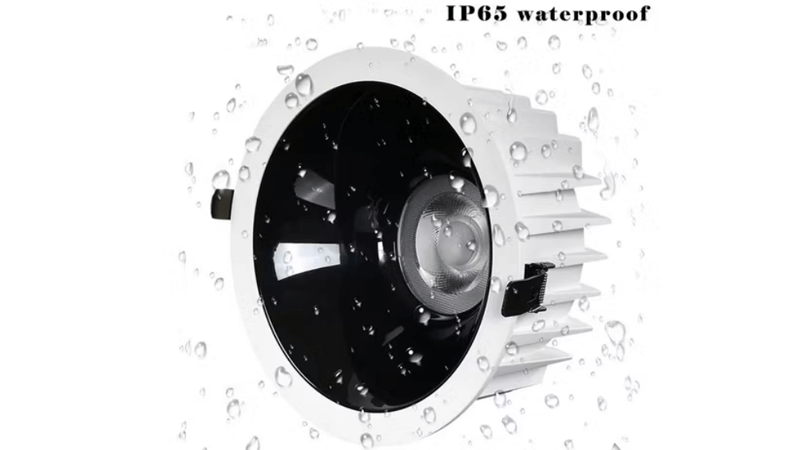
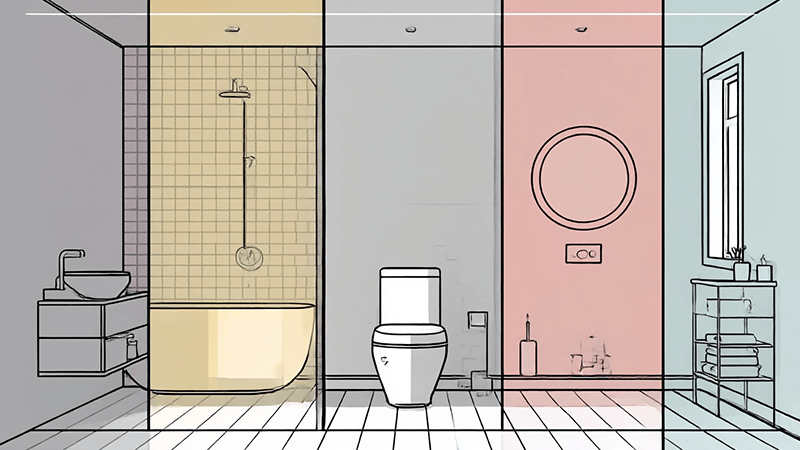
Yes, bathrooms must have special spotlights with a suitable Ingress Protection (IP) rating. The IP rating indicates protection against moisture and dust. For instance, a light directly above a shower (Zone 1) requires a rating of at least IP65 for safety and longevity.
Dive Deeper: The True Enemy is Corrosion from Thermal Cycling
Every supplier will tell you their lights are "IP65 waterproof." And that’s important, but it's only half the battle. I learned a hard lesson years ago about a large hotel project. We supplied IP65 downlights, but received complaints about failures after just one year. The real enemy wasn't water getting in from the outside; it was condensation forming on the inside. This phenomenon is caused by thermal cycling5. The light heats up when on, and cools down rapidly when off. The warm, humid bathroom air gets drawn into the fixture as it cools, and the moisture condenses on the internal electronics and metal surfaces. This leads to corrosion and failure.
The IP rating6 doesn't test for this. True bathroom-grade durability comes from two things:
- Superior Materials: Using materials that resist corrosion is key. Anodized aluminum is far better than powder-coated steel, which can scratch and then rust. Brass or high-grade stainless steel components for screws and fittings are also essential.
- Smart Thermal Management: A well-designed heat sink does more than just cool the LED. It manages the airflow and temperature fluctuations to minimize the potential for condensation buildup.
| Component | Standard Material | Superior Bathroom-Grade Material | Why it Matters |
|---|---|---|---|
| Housing | Powder-coated Iron/Steel | Die-cast or Anodized Aluminum | Resists rust and corrosion, better heat dissipation. |
| Screws/Fittings | Zinc-plated Steel | Stainless Steel (304/316) or Brass | Will not rust when exposed to constant moisture. |
| Gaskets | Low-grade Foam | Silicone | Silicone gaskets maintain their seal and flexibility over years of temperature changes. |
So when you source spotlights for a bathroom, don't just ask "Is it IP65?". Ask, "What is the housing made of?" and "What material are the screws?". These are the questions that ensure you're buying a product truly built to last in a harsh bathroom environment.
How many lumens for bathroom spotlights?
Are you just adding up lumens to plan your lighting? This is a common mistake that often leads to bathrooms that are either too dim or uncomfortably glaring. There is a much smarter approach.
For general bathroom lighting, a good target is 500-600 lumens per square meter (around 50-60 lumens per square foot). However, focusing only on lumens is misleading. The key is to use layered lighting with effective optical control to deliver the right amount of light exactly where it's needed.
Dive Deeper: Lumens are Deception, Optical Control is Reality
I often hear clients say, "I need a 1000-lumen downlight for this bathroom." My first question is always, "Why?" Raw lumen output is a deceptive number. A high-lumen fixture with a poor lens or reflector is inefficient. It just sprays light everywhere, creating glare on mirrors and floors while leaving key areas in shadow. The reality is that good lighting is not about high lumens; it's about high-quality optical control7 and thoughtful layering. Optical control means using a well-designed lens or reflector to shape the light beam and direct it precisely where you want it. Layering means using different types of light for different jobs.
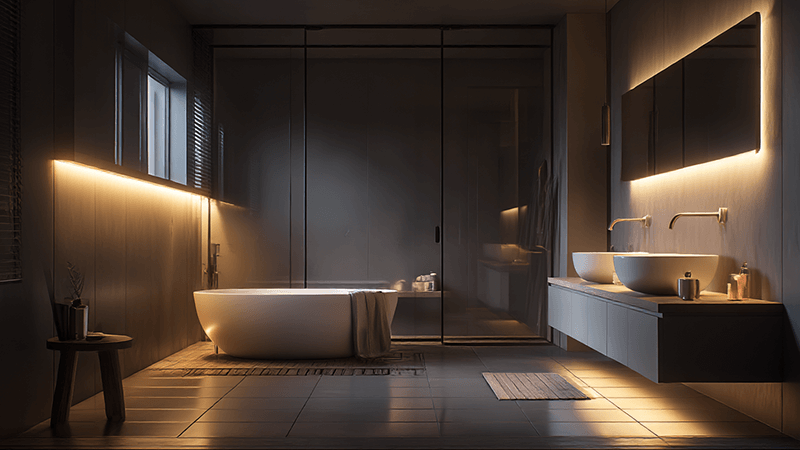
Instead of one powerful, glaring light, a well-designed bathroom uses multiple layers. This strategy is more effective and often uses less energy.
| Lighting Layer | Purpose | Example Fixture & Placement | Desired Effect |
|---|---|---|---|
| Ambient | General, overall illumination | 4x 6W ceiling downlights with wide-angle (60°) beams, evenly spaced. | Fills the room with a comfortable, soft base level of light. No dark corners. |
| Task | Focused light for specific activities | 2x 7W wall sconces on either side of the mirror or a single fixture above. | Bright, shadow-free light on the face for grooming, shaving, or makeup. |
| Accent | Highlighting architectural features | 1x 3W narrow-beam (24°) spotlight aimed at a textured tile wall or plant. | Creates visual interest, depth, and a touch of drama. |
This layered approach creates a space that is both perfectly functional and emotionally appealing. As a purchasing manager, you can propose a more sophisticated and effective solution to your clients by shifting the conversation from "how many lumens" to "how should we layer the light?". This demonstrates expertise and delivers a far superior result.
Conclusion
Choosing bathroom lighting is about more than specs. Focus on quality materials, reliable drivers, smart light layering, and true color rendering to ensure a successful, lasting, and beautiful project.
Understand the importance of LED chip quality in achieving reliable lighting performance. ↩
Learn how driver compatibility affects the performance and reliability of your LED lighting. ↩
Find out the benefits of using high CRI lights for accurate color rendering. ↩
Discover how SPD affects color quality and lighting choices in your bathroom. ↩
Understand the impact of thermal cycling on the durability of bathroom lighting. ↩
Understand the significance of IP ratings in ensuring the safety and longevity of bathroom lights. ↩
Discover how optical control improves light distribution and reduces glare in bathrooms. ↩