Architects pour their vision into a design, but the wrong lighting can completely undermine it. Inconsistent quality or early failures can ruin a project's integrity. That's why they now rely on specific technology for predictable results.
Architects prefer COB (Chip on Board) LED downlights because they provide a single, powerful light source. This technology offers superior beam control, high color accuracy, and unmatched consistency, ensuring their precise design vision is realized perfectly and lasts for years.
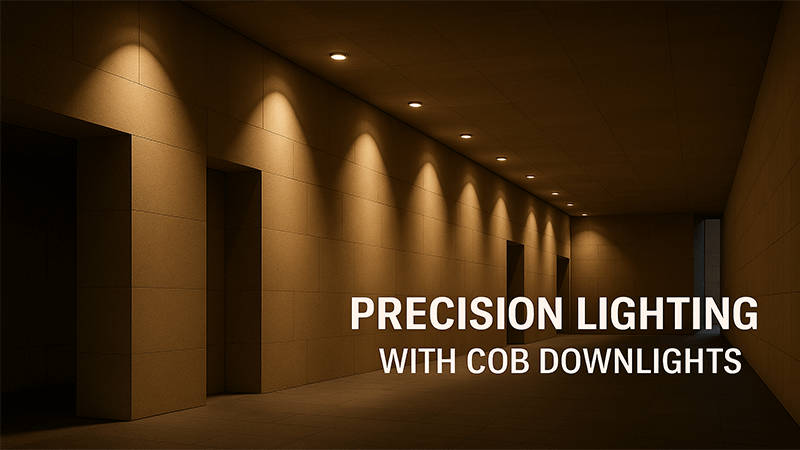
I’ve spoken with many architects over the years. They all share a common concern. It isn't just about finding a "good" light. It's about finding a light that will perform exactly as specified, day in and day out, for the entire life of the project. To truly understand why COB technology1 is the answer to this concern, we first need to explore the fundamental role of lighting in architecture.
What is the importance of lighting in architecture?
You see a beautiful building, but something feels off, cold, or unwelcoming. Poor lighting can make even the most brilliant architectural spaces feel flat and lifeless, hiding important details and creating the wrong mood. Understanding lighting's role is the key to transforming a structure into an experience.
Lighting is crucial in architecture because it defines space, highlights textures, and sets the mood. It directly affects how we perceive and interact with a building. Good lighting enhances the design, improves the building's function, and ensures safety, making it a fundamental element of architectural design.
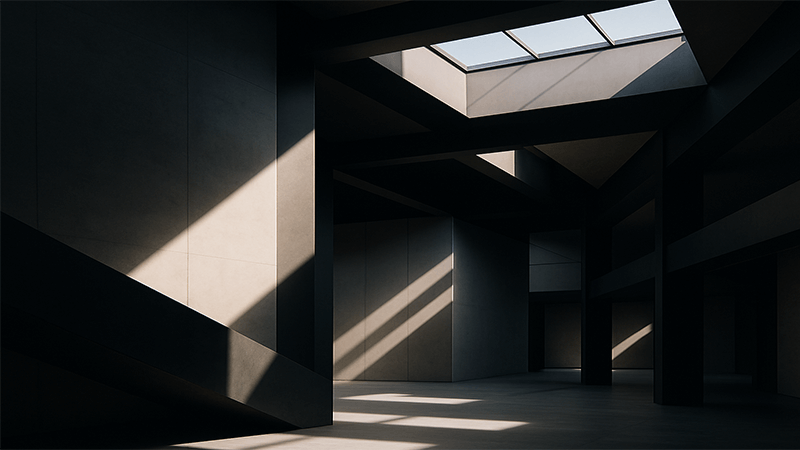
I often tell my clients that light should be treated as a building material, just like concrete, steel, or glass. It’s that important. Light does so much more than just help us see. It shapes our experience of a space. It can make a small room feel open and airy, or a large hall feel intimate and cozy. It guides our eyes, telling us what to look at and where to go. This is the power an architect wants to control.
Light as a Design Partner
When an architect designs a building, they think about the flow of people and the feeling of each room. Lighting is their tool to bring that vision to life. For example, warm, soft lighting in a home creates a sense of comfort and relaxation. In contrast, bright, cool lighting in an office can increase focus and productivity. Light reveals the texture of a stone wall or the smooth finish of a wooden floor. Without the correct lighting, these expensive details are simply lost. The architect's fear is that the specified light won't deliver this effect consistently. If the color temperature shifts after six months, the entire mood they carefully designed is destroyed. This is why the reliability of the light source is everything. It must perform as promised, not just on day one, but for years to come.
| Aspect Affected by Lighting | Impact of Good Lighting | Impact of Poor Lighting |
|---|---|---|
| Space Perception | Makes spaces feel larger and open. | Makes rooms feel cramped and small. |
| Mood & Atmosphere | Creates a welcoming, intended feel. | Creates a cold or uneasy feeling. |
| Aesthetics & Detail | Highlights textures and key features. | Flattens details, hides character. |
| Functionality | Supports activities and tasks. | Hinders work, can cause eye strain. |
| Safety & Navigation | Clearly marks paths and hazards. | Creates dangerous shadows and glare. |
What are the different types of lighting in architecture?
You have been asked to light a space, but using only one type of light makes it feel sterile and boring. Mixing lights without a clear strategy creates visual chaos, with harsh shadows in some areas and dim spots in others. Layering different types of lighting is the professional secret to great results.
Architectural lighting is typically categorized into three main layers: ambient, task, and accent. Ambient lighting provides general illumination. Task lighting focuses on specific work areas. Accent lighting highlights features like artwork or textures, adding drama and depth to a space.
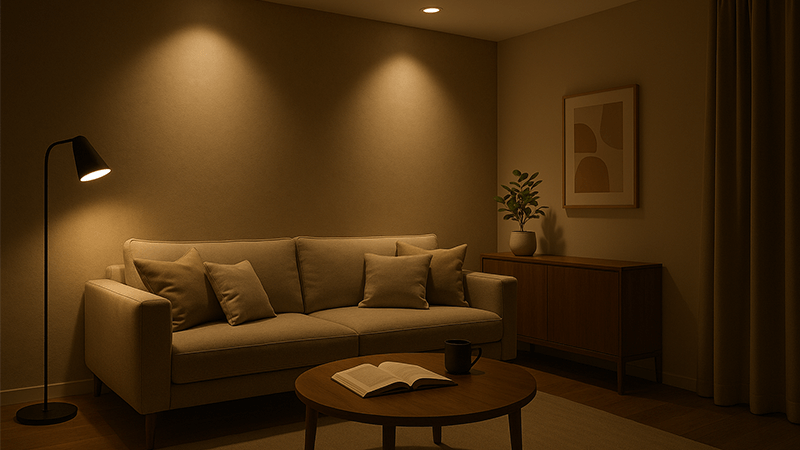
A well-lit space is almost never lit by a single source. Architects and designers think in layers. I remember working on a project for a high-end hotel lobby. The client wanted it to feel grand but also welcoming. If we had only used large chandeliers for general light, the space would have felt like a ballroom, not a comfortable lobby. The details would have been lost in shadow. So, we developed a strategy using all three layers of light to create the perfect balance. This layering approach is what separates professional lighting design from simply placing lights in a room. It adds richness and function to any environment.
The Three Layers of Light
Each layer of light has a specific job. When they work together, the result is a space that is both beautiful and highly functional.
-
Ambient Lighting: This is the foundation of your lighting plan. It's the general, overall light that fills the room and allows you to move around safely. Think of it as the substitute for natural daylight. This layer is often created with recessed downlights2, ceiling fixtures, or large pendants. The goal is comfortable, even brightness.
-
Task Lighting: As the name suggests, this layer is for getting things done. It provides focused, stronger light for specific activities like reading, cooking, or working at a desk. Examples include under-cabinet lights in a kitchen, a desk lamp in an office, or reading lights by a bed. Good task lighting3 prevents eye strain and makes activities easier.
-
Accent Lighting: This is the dramatic layer. Accent lighting is used to create visual interest and draw attention to specific features. You might use it to highlight a piece of art, a textured wall, or a unique architectural element. Directional spotlights, like COB downlights with narrow beams, are perfect for this. This layer adds depth, contrast, and a touch of luxury to a room. It turns a simple space into a curated experience.
What is architectural lighting in interior design?
Many people see lighting as a simple utility, just something to turn on when it gets dark. This approach completely misses the opportunity to shape the feel of a room, making great designs fall flat. True interior design integrates lighting as a core component from the very beginning.
In interior design, architectural lighting refers to fixtures that are built into the structure, such as recessed downlights, cove lighting, or wall washers. It's treated as a permanent part of the design, used to define spaces, enhance aesthetics, and create specific moods.
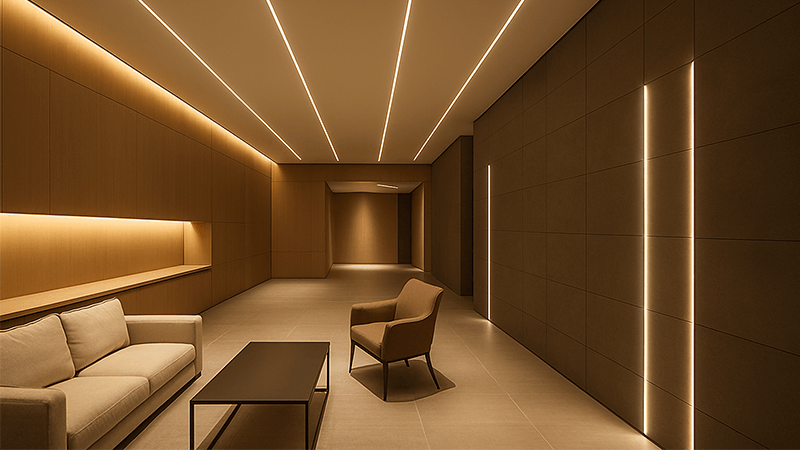
I have seen firsthand how architectural lighting4 can completely transform an interior. It's very different from decorative lighting, like a table lamp or a chandelier, which are more like furniture. Architectural lighting is part of the architecture itself. It's planned from the blueprint stage. This approach creates a clean, seamless look where the light source is often hidden, and you only experience the effect of the light. It's about designing with light, not just designing light fixtures. When an architect specifies recessed COB downlights, they are not just choosing a product; they are sculpting the space with focused, high-quality beams of light.
Integrating Light into the Design
The most successful interior design projects are those where lighting is not an afterthought. It's a key part of the initial concept. Architects and designers use built-in lighting to achieve several goals that standalone fixtures cannot.
-
Defining Zones: In open-plan spaces, you can use lighting to create "rooms within a room." A pool of light from downlights can define a seating area, while a line of light can mark a hallway. This creates functional zones without needing physical walls.
-
Enhancing Materials: Architectural lighting is perfect for bringing out the texture and color of materials. A technique called wall grazing, where downlights are placed close to a wall, can turn a simple stone or brick surface into a dramatic feature by creating deep shadows.
-
Creating a Clean Aesthetic: By building lights into ceilings and walls, you achieve a minimalist and uncluttered look. The focus remains on the space and the objects within it, not on the light fixtures themselves. This is why architects working on modern, clean designs heavily favor architectural lighting. It delivers light exactly where needed without visual noise, and COB downlights provide the precision required for this.
What is the most important principle of lighting design?
Designers can get lost in technical details like lumens, CRI, and beam angles. While these are important, focusing only on numbers can lead to a space that is technically perfect but emotionally empty. The real goal of lighting is often forgotten in the process.
The most important principle is that lighting should serve the needs and experience of the people using the space. It must enhance the room's function, create the right atmosphere, and direct visual focus according to the design intent, always prioritizing the human element.
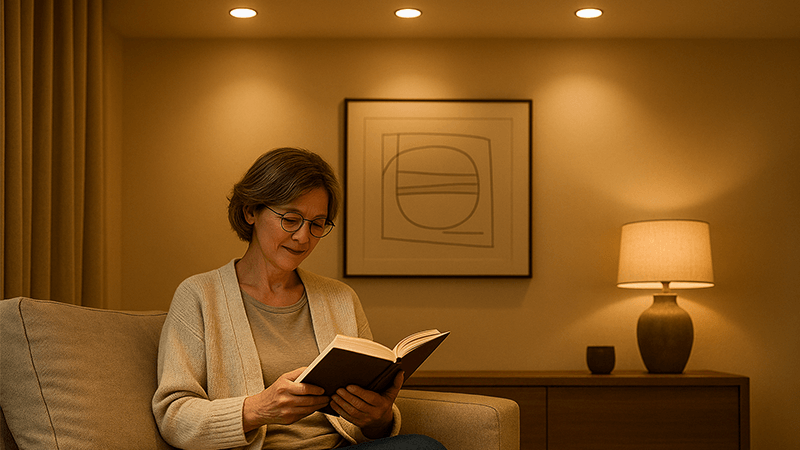
I’ve built my career on providing quality lighting solutions, but the technology is always in service of a greater goal. A project's success is not measured by its lux levels, but by how people feel and function within the space. Does the office lighting make employees feel energized and focused? Does the restaurant lighting make diners feel relaxed and intimate? This human-centric approach is the guiding star of all great lighting design. Everything else—the technology, the fixtures, the calculations—is just a tool to achieve that human-centered goal.
The Architect's Core Requirement
This brings us back to the architect's biggest fear. They need absolute confidence that the lighting will support their human-centric design vision, not just for the first week, but for ten years or more. This is where the product itself becomes critical.
-
Consistency is Key: If an architect specifies a 3000K warm white downlight to create a cozy atmosphere, every single fixture must produce that exact same color. Not just from the same batch, but also in future orders for maintenance or expansion. A slight variation can create a sloppy, uneven look that ruins the design.
-
Performance Over Time: The light must not only look good on day one, but it must maintain its color and brightness over its entire lifespan. This is known as color stability and lumen maintenance5. Cheaply made LEDs can shift in color or dim significantly over a short time, betraying the original design.
-
Reliable Data: Architects rely on the technical data sheets we manufacturers provide. The beam angle, CRI, and lumen output must be accurate. If the data is false, the real-world result will not match the plan, leading to costly fixes and a loss of trust.
This is precisely why architects have come to prefer COB LED downlights from reliable suppliers. COB technology packs many LEDs into a single module, creating a single, uniform point of light. This allows for incredibly precise beam control, excellent color rendering (CRI), and superior thermal management, which leads to fantastic long-term stability. For an architect, choosing a high-quality COB downlight is an insurance policy for their design vision.
Conclusion
Ultimately, architects choose COB LED downlights for precision projects6 because they offer control and reliability. This technology ensures their carefully crafted vision is realized perfectly and stands the test of time.
Explore the benefits of COB technology in providing high-quality lighting solutions. ↩
Learn about recessed downlights and how they contribute to effective lighting design. ↩
Discover how task lighting enhances productivity and supports specific activities. ↩
Understand the concept of architectural lighting and its impact on interior design. ↩
Understand the importance of color stability and lumen maintenance for long-lasting lighting. ↩
Understand what makes a lighting project precise and how it impacts architectural design. ↩